News
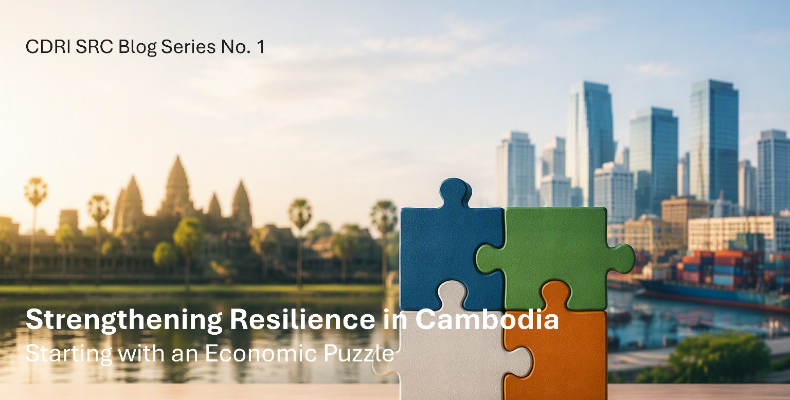
22 September 2026Strengthening Resilience in Cambodia: Starting with an Economic Puzzle
ការពង្រឹងភាពធន់នៅប្រទេសកម្ពុជា៖ ចាប់ផ្ដើមពីចម្ងល់សេដ្ឋកិច្ច
សារគន្លឹះ
- អត្ថបទប្លុកនេះគឺជាអត្ថបទប្លុកទីមួយនៃកម្រងអត្ថបទប្លុកថ្មីដែលផ្តោតលើភាពធន់ និងប្រទេសកម្ពុជា។
- តាមនិយមន័យ ភាពធន់គឺជា «សមត្ថភាពនៃប្រព័ន្ធមួយដែលមានប្រជាពលរដ្ឋ ក្រុមហ៊ុន និងរដ្ឋាភិបាល ក្នុងការពារ និងត្រៀមខ្លួនដើម្បីឆ្លើយតប ទប់ទល់ និងស្តារឡើងវិញពីវិបត្តិផ្សេងៗ»។
- សេដ្ឋកិច្ចកម្ពុជាមានភាពងាយរងគ្រោះ ដោយសារការពឹងផ្អែកលើវិស័យឧស្សាហកម្មមួយចំនួនតូច ទីផ្សារសម្រាប់ការនាំចូល នាំចេញ និងប្រភពនៃការវិនិយោគទុនបរទេសផ្ដោតលើប្រទេសមួយចំនួនតូច ព្រមទាំងការប្រឈមនឹងគ្រោះទឹកជំនន់ និងការប្រែប្រួលអាកាសធាតុ។
- ភាពបើកចំហខ្លាំងនៃសេដ្ឋកិច្ចកម្ពុជា ធ្វើឱ្យប្រទេសងាយរងផលប៉ះពាល់ពីវិបត្តិសេដ្ឋកិច្ចពិភពលោក ខណៈកម្រិតជំនាញនិងការអប់រំនៅទាប អាចជួយកាត់បន្ថយវិបត្តិទាំងនេះបានតិចតួចបុណ្ណោះ។
- ផ្ទុយទៅវិញ កម្ពុជាមានអត្រានៃភាពក្រីក្របានធ្លាក់ចុះពី ៤០–៥០% នៅពាក់កណ្តាលទសវត្សរ៍ឆ្នាំ១៩៩០ មកនៅត្រឹមក្រោម ១៨% នៅត្រឹមឆ្នាំ២០១៩–២០២០ ហើយកំណើនសេដ្ឋកិច្ចបានងើបឡើងវិញយ៉ាងឆាប់រហ័ស បន្ទាប់ពីវិបត្តិធំៗនីមួយៗក្នុងអំឡុងបីទសវត្សរ៍ចុងក្រោយនេះ។
- អត្ថបទប្លុកនេះចោទជាចម្ងល់ថា តើសេដ្ឋកិច្ចកម្ពុជាមានភាពធន់នឹងវិបត្តិយ៉ាងដូចម្តេច ក្នុងអំឡុងបីទសវត្សរ៍ចុងក្រោយនេះ ខណៈកម្ពុជាមានកត្តាជាច្រើនដែលបង្ហាញពីភាពងាយរងផលប៉ះពាល់ផ្នែកសេដ្ឋកិច្ច?
Key Messages
- This blog is the first in a new series focused on resilience and Cambodia.
- Resilience is defined as “the ability of a system, including households, firms, and governments, to prevent and prepare for, cope with and recover from shocks.”
- The Cambodian economy is vulnerable when considered in terms of dependence on a narrow range of industries, geographically limited markets for imports, exports, and sources of foreign investment, and flood and climate change exposure.
- The striking openness of the Cambodian economy exposes the country to shocks from the global economy, while low level of skills and education provide minimal offsetting protection.
- Yet poverty fell from 40–50 percent in the mid-1990s to below 18 percent by 2019–2020, and economic growth has recovered quickly after every major shock of the past three decades.
- This blog asks, how has Cambodia proved to be so economically resilient over the last three decades when it has so many factors associated with economic vulnerability?
Introduction
Resilience has been defined by the World Trade Organization as “the ability of a system, including
households, firms, and governments to prevent and prepare for, cope with and
recover from shocks.” The concept of resilience has been applied across numerous fields including economics, physical
and engineering sciences, geography, and ecology. Resilience is framed in
reference to three key ideas, ‘shocks’, ‘vulnerability’, and ‘system resilience’.
Shocks (the first key idea) are wide ranging and may occur in relation
to the environment (earthquakes, floods, climate change, and droughts), economic
(financial and trade sanctions, oil price volatility, large-scale capital
outflows, and exchange rate instability), political (demonstrations, strikes,
change of leadership), technological (cyber-attacks, innovations), and many others.
We may study the impact of shocks at the national or
global economy. For example, the September 11th 2001 attacks on the US are estimated to have cost USD500 billion to the national economy
once the impacts on security and defence spending, tourism and travel revenues,
and increased insurance and shipping costs were accounted for. We may also
focus on firms and households. For example, the global food price spike in 2007–2008 threatened the world’s poorest households—those spending over 50 percent of their income on
food—with malnutrition or starvation.
Vulnerability (the second key idea) is defined by the Intergovernmental
Panel on Climate Change (IPCC) as “the propensity or predisposition to be adversely affected by a shock.”
For instance, the Mekong Floods in 2011 (discussed below) hit hardest among
rain-fed farming households with little capacity to absorb the loss.
System resilience (the third key idea) examines whether
economic, environmental, or other systems are able to absorb shocks, recover
quickly, and protect the well-being or livelihoods of households, ecosystems,
or firms in the interim. In those countries where the COVID-19 shock had
induced widespread corporate bankruptcy, when lockdowns were lifted, the
economy no longer had the capacity to rapidly boost output and employment. Or, referencing
again to the global food price surge in 2007–2008, did countries have an effective mechanism to redistribute food or cash payments to protect
poor households?
System resilience is a diverse concept and extends to behavioural psychology to ask whether an individual can regain psychological well-being after exposure to a stressful shock or may be permanently impaired by post-traumatic stress disorder. In politics, we can ask whether a temporary economic disruption is absorbed by debates, protests, or changes of democratic leadership (politics as normal) or results in more dramatic rupture, such as a military coup, martial law, or violent protest.
This blog is the first in a new series, focused on resilience in Cambodia and focuses here on an economic puzzle—looking at the second of those three key ideas and asking, how has Cambodia proved to be so economically resilient over the last three decades when it has so many factors associated with economic vulnerability?
This blog series builds on earlier research by CDRI, which examines resilience in relation to the environment, finance, health, and technology and argues that Cambodia needs to strengthen resilience to manage the risk of disruptions and help ensure the sustainability of rapid economic growth.
Resilient Cambodia
Figure 1 shows that the Cambodian economy has been
remarkably resilient over the last three decades. In response to every global crisis
(1997–1998 Asian Crisis, 2007–2008 Global Financial Crisis, and 2019–2020 COVID-19)
and national-regional environmental crises (2011 and 2013 floods, and 2015–2019
droughts), economic growth was negatively impacted but recovered momentum
quickly.
Figure 1: Economic Growth in Cambodia, 1976–2024

Source: World Bank (2026)
The Cambodia-related data on livelihoods and well-being are less easily available, but World Bank research shows that economic crises after the mid-1990s did not have deep or durable social impacts. The national measure shows that poverty in Cambodia declined from 40–50 percent in the mid-1990s to 33.8 percent in 2009, 26.3 percent in 2014, and 17.8 percent in 2019–2020.
The remainder of this blog shows
that this economic resilience is an economic puzzle— Cambodia, by many
measures, appears to be a vulnerable economy.
Sources
of Vulnerability in Cambodia
a)
Dependence on Textiles
In 2025, Cambodia exported almost USD16
billion of Garments, Footwear, and Textiles (GFT). A survey by EuroCham shows that the
combined share of GFT has remained stuck at around 70 percent of total
merchandise exports in the decade to 2022. The GFT sector is directly and
indirectly responsible for the livelihoods of up to three million Cambodians.
Historically, the textile sector has been marked by low barriers to
entry—cheap
and easily available technology, a global network of buyers, and employment
opportunities for relatively unskilled young women from rural areas. This
extreme concentration in a globally competitive sector leaves Cambodia
vulnerable to any loss of competitiveness, rising wages, or changing import
sentiment in key markets.
b)
Dependence on the
US (exports) and China (imports)
Cambodia’s market-based dependence
has “gone backwards” in recent years.
The combined share of Cambodian exports going to the US, UK, and EU increased
from 61 percent in 2016 to 66 percent in 2021, the US in particular rising from
21 percent to 43 percent. This dependence is also marked by an extreme pattern
of surplus with the US (over USD 12 billion) and deficit with China (over USD
16 billion), which leaves Cambodia very vulnerable to the tariff politics of US
President Trump.
In August 2025, the US government
imposed a 19 percent tariff on Cambodian imports. Subsequently, Cambodia has
granted the US
increased levels of market access related to manufactured goods, agricultural
products, digital and other services, as well as reforms to state-owned
enterprises, labour markets, and safety regulations in agriculture. The US government
described
these trade negotiations as a “tough trade deal that will benefit American
workers, exporters, farmers, small businesses, and digital innovators.” A study by Milan
Thomas of the ADB and Pirom Khiev of CDRI finds that the 19 percent tariff
will have “a negligible impact on key economic variables,” but any return to
the initial tariff of 36 percent that was announced in April 2025, then
withdrawn (trade negotiations were a resilience mechanism for Cambodia), would
have a much more serious impact on economic growth in Cambodia.
c)
Openness
The Royal Government of Cambodia
(RGC) has successfully promoted economic openness, giving local firms
unprecedented opportunities to learn new technology and good management
practices by trading with foreign multinationals, participating in
international value chains, and facing competitive discipline.
The trade ratio is measured as the
total of imports and exports as a share of GDP and provides a measure of how
open Cambodia is to the global economy. The trade ratio (2024) was much
higher in Cambodia (143 percent) than the average of either low-income (56
percent), middle-income (55 percent) or upper middle-income (47 percent)
countries. In 2025, Cambodia received around USD5 billion in FDI, representing
almost 10 percent of GDP—a huge number.
In the decade to 2024, Cambodia received more than USD45
billion of Foreign Direct Investment (FDI). This undoubted success in
attracting FDI marked another degree of dependence.
Chinese investors accounted for 50 percent of all approved FDI in 2025, far
exceeding domestic investors (34 percent) and Vietnam (8.11 percent), with
others including Singapore, Canada, the UK, Malaysia, and South Korea a long
way behind.
The flip side of openness is that
Cambodia can be deeply affected by political or economic changes in other
countries, whether, for example, US tariffs or slower economic growth in China.
This openness-cum-vulnerability is deepened by the dependence of Cambodia on imports of key inputs, including (in
2025) USD2.94 billion of refined petroleum and gas, USD2.44 billion of fibres for
the GFT sector, USD1.95 billion of electrical equipment, and USD1.73 billion of
machinery.
d)
Education
and Skills Gap
Recent World Bank data shows that
Cambodia’s overall labour force participation rate reached 82 percent and for
women, 74 percent—about double the average prevailing in other lower
middle-income countries. This reflects the one million manufacturing jobs
Cambodia has created, mainly for young, unskilled women in the textile sector. CDRI research shows that real
wages for low-skilled workers have risen rapidly over the past decade as the
supply of cheap labour from the countryside or the household reaches its
limits.
The share of the labour force with
tertiary education (13 percent) is around one third that in Vietnam (35
percent), and the share of the workforce with completed secondary or college
was only 17 percent in 2019–2020, unchanged since 2014.
With supplies of labour rapidly
running out, the real danger is that continued economic growth will continue
driving up wages, and without upskilling the labour force, this will lead to
higher costs without gains in productivity. Cambodia is at risk of losing its
competitiveness in labour-intensive sectors like textiles.
e)
Weather
Weather
patterns are strongly influenced by the monsoon system, which creates distinct
wet and dry seasons, which expose Cambodia to significant weather-related
hazards.
Cambodia is ranked as the world’s
fourth most flood-exposed country by the Inform Risk Index. Data from ADB indicated that,
in 2011, floods affected around 350,274 families in Cambodia, which caused
economic losses of approximately USD624 million. In 2023, the World Bank noted that
Cambodia experienced an estimated 64 days per year when the maximum temperature
exceeds 35°C, placing it in the top 23 countries with acute exposure to extreme
heat. More than 30 percent of cropland experiences drought stress, leading to the
risk of crop failures in maize and rice and resulting food insecurity.
f)
Climate Change
Climate change threatens to make
these hazards both more frequent and more severe in the decades ahead. According
to a recent ADB assessment, agriculture contributes
around 24 percent of Cambodia’s GDP and employs approximately 37 percent of the
country’s labour force, while rural communities also depend heavily on water
resources, fisheries and forests.
The World Bank estimates that,
under a high-impact climate scenario, crop yields in Cambodia could decline by
around 30 percent, directly affecting food security and household livelihoods. The
World Bank’s Cambodia Country
Climate and Development Report estimates that climate change could
reduce Cambodia’s GDP by up to 9.4 percent by 2050. This would include annual
losses of physical and economic assets from flooding increasing from approximately
USD0.5 billion in 2020 to between USD3.3 billion and USD10.6 billion by 2050.
Conclusion
This blog is the first in a new
series launched by CDRI that examines major issues related to Resilient
Cambodia. In this blog, we presented an economic puzzle: how has vulnerable
Cambodia proved so remarkably economically resilient over the past three
decades?
In subsequent blogs, we will look
back and try to answer this question: was it related to Cambodia’s flexible
labour market, to good macroeconomic policymaking and debt management by the RGC,
or to external economic changes (rapid economic growth in China and the US)?
We will discuss the unprecedented series
of shocks in 2025–2026. These include higher global energy prices, US tariffs,
transport and supply chain disruptions resulting from conflict in Ukraine and
the Middle East, and trade and migration shocks resulting from conflict with Thailand.
Will Cambodian resilience continue? Will Cambodia bounce back to rapid economic
growth in 2027 and beyond?
We will also look ahead and think
carefully about how Cambodia can further strengthen its economic resilience by
upskilling the labour force, diversifying out of and upgrading within the
textile sector, and protecting household livelihoods with cash transfers or
universal health insurance.
We look beyond the economics and
think about resilience in relation to climate change, water and the
environment, to social services (education, health, and welfare), to migration
and urbanisation, and to technology (AI and automation).
Look out for Blog Number Two – Strengthening Resilience in Cambodia: An Introduction to Resilience and Cambodia.
Authors
Ms Phuong Sokhim, Research
Assistant, Centre for Natural Resources and Environment, CDRI
Prof Dr Matthew McCartney, Chief Economist, CDRI
Related News

CDRI Board of Directors Meeting
04 November 2020The Board of Directors (BoD) of the Cambodia Development Resource Institute (CDRI) met at a virtual meeting on 3rd November 2020. All 10 existing BoD members attended and actively engaged in the deliberation and comments. For further information about CDRI BoD, please visit CDRI...
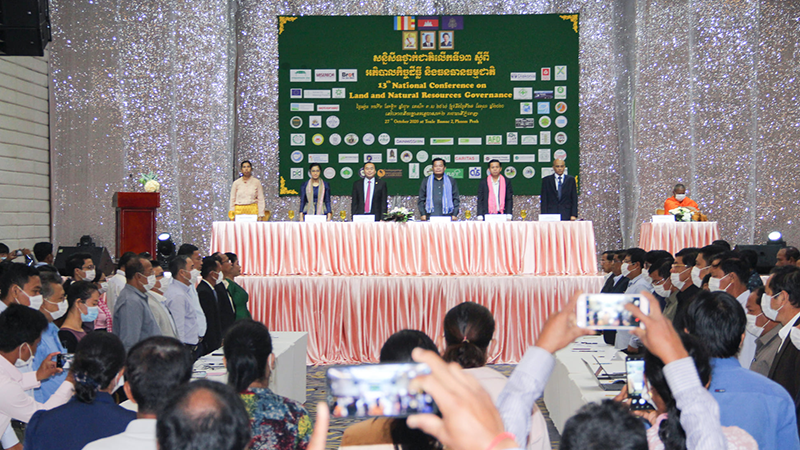
CDRI Deliveries Keynote at National Conference on Land and Natural Resources Governance
27 October 2020CDRI Senior Management was invited to deliver a key-note on the Land and Natural Resources Governance at the National Conference on Tuesday, October 27, 2020, at the Bassac II. It was attended by over 150 participants from the provinces, key ministries and departments, and repres...
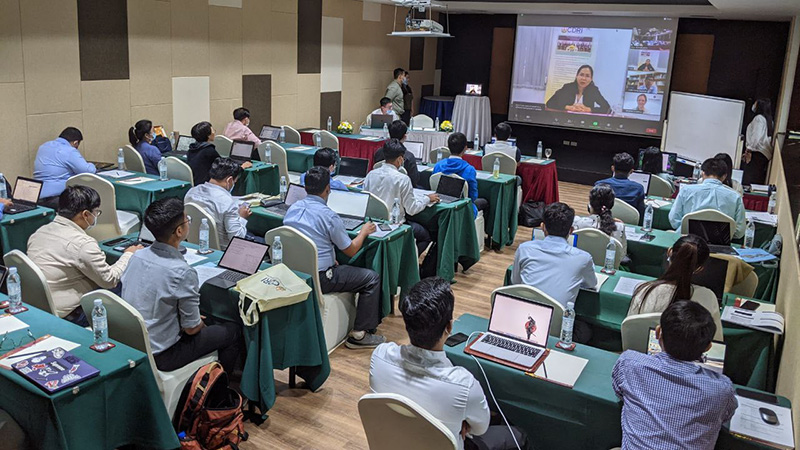
Training on Introduction to R for Quantitative Data Analysis
04 February 2021In collaboration with The Asia Foundation and under financial support from the Australian Department of Foreign Affairs and Trade (DFAT), the Centre for Educational Research and Innovation (CERI) has organizing a three-day intensive workshop on “Introduction to R for Quantitative...