
News
20 October 2026Mutual Lessons for Economic Development: India and Cambodia
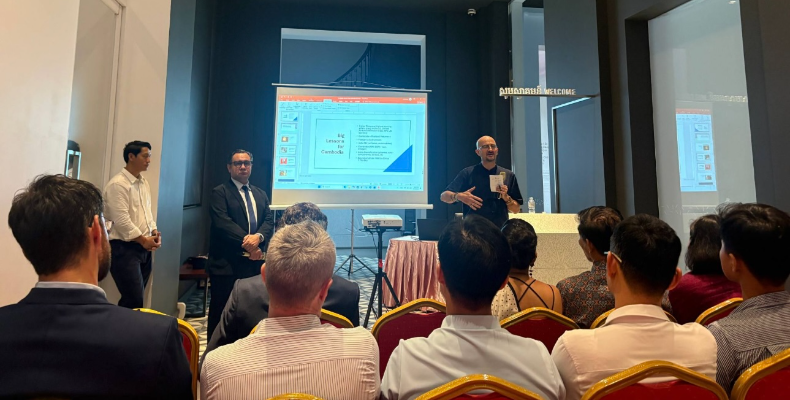
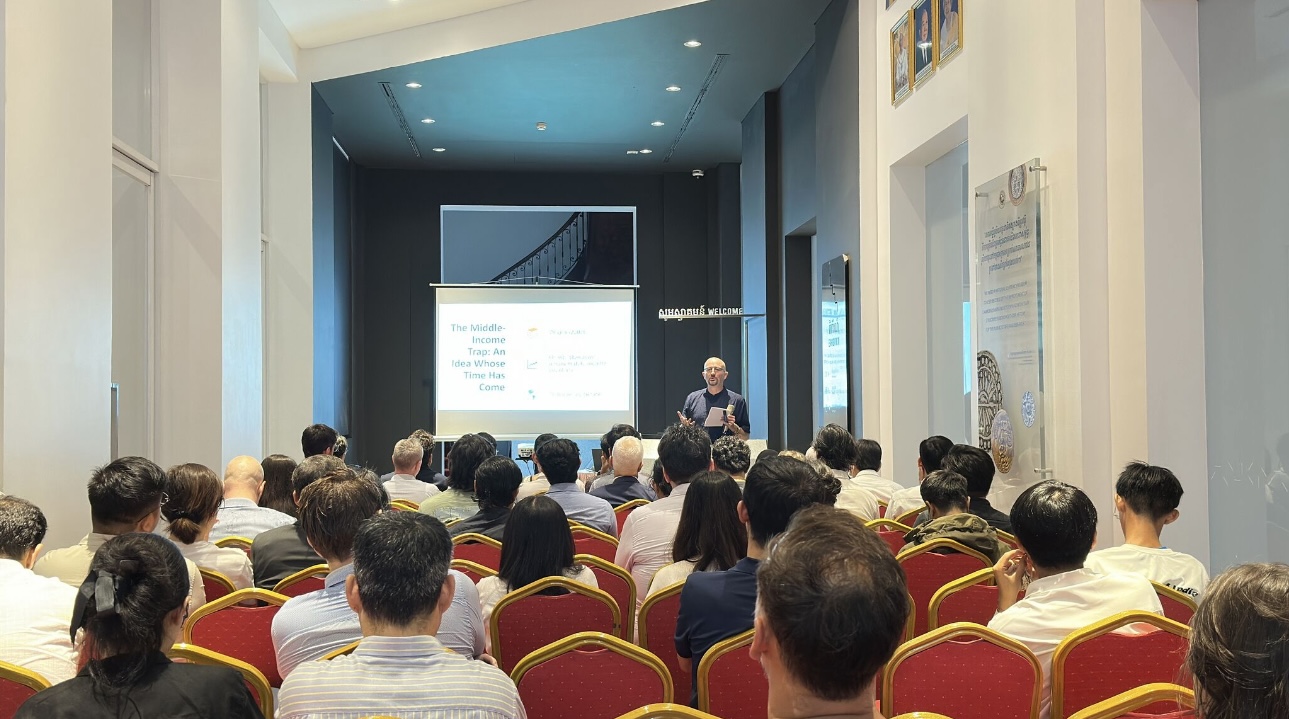
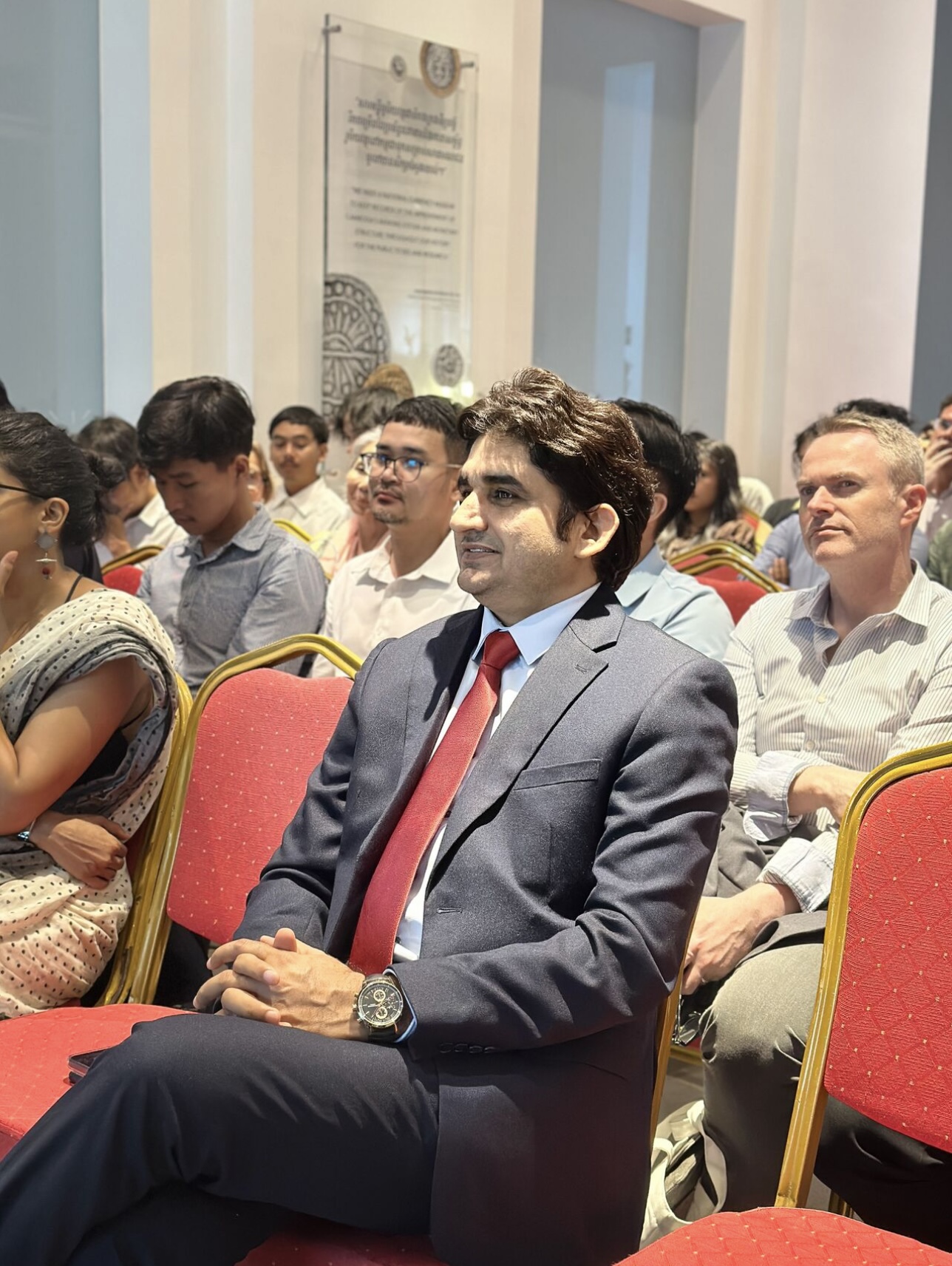
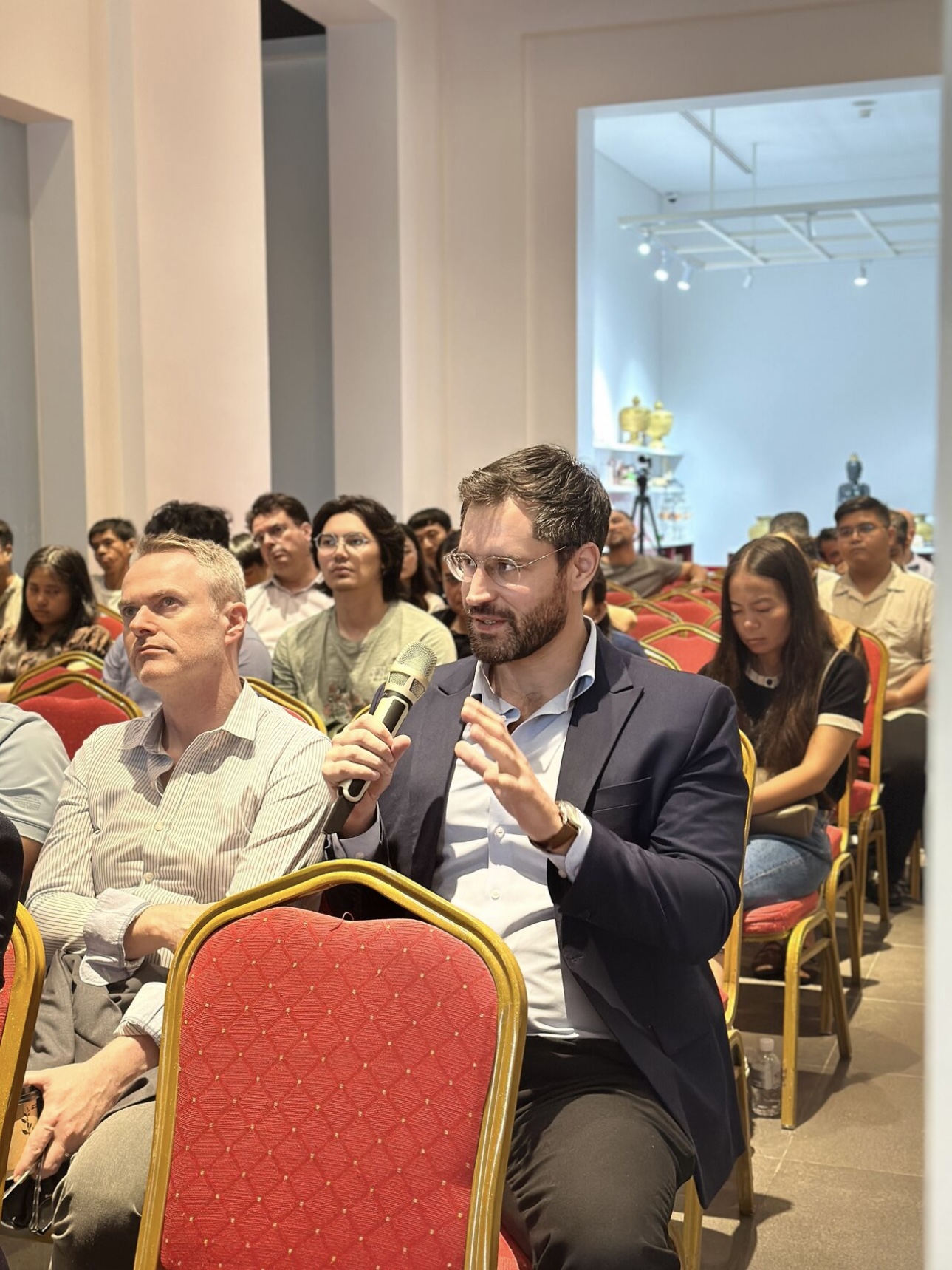
CDRI Chief Economist Prof. Dr Matthew McCartney recently
delivered a public lecture at the Preah Srey Içanavarman Museum (SOSORO),
examining India and Cambodia's development experiences and highlighting key
lessons for sustaining economic growth and overcoming middle-income development
challenges.
While many comparisons of Cambodia are drawn from the ASEAN
region, it can be instructive to step further away. India and Cambodia are both
middle-income countries, with average incomes just below USD3,000, having
enjoyed three decades of rapid economic growth that places them both in a small
global club of successful economies. They had very different starting points.
India in the 1970s and 1980s had a functional state, a large endowment of
skilled engineers, and bad public policy that needed correcting, whilst
Cambodia was emerging from a devastating, murderous interlude in the 1970s that
laid waste to its state, economy, and educated citizenry. Relative to those
starting points, Cambodia is the most striking success.
Thinking around the framework of the Middle-Income Trap (a
big research and policy theme of CDRI) shows that both countries have been
successful in driving from low to middle-income status by mobilising resources
for development - in particular savings, investment, and literacy, but Cambodia
has been better at getting women into the labour force. Female labour force
participation in Cambodia (77%) is more than double that in India (32%).
To sustain economic growth, both countries are reaching the
limits of mobilising ever more resources and need to switch to a
productivity-led development strategy. Here, economic growth looks more
sustainable in India going forward - India has much higher rates of domestic
innovation as measured by patent applications and R&D spending, and manifests
in a diversified export profile comprising pharmaceuticals, IT, engineering,
and electronics.
The lecture drew out a number of big-idea policy
implications - while India has a global diaspora excelling in knowledge-intensive
sectors globally (10% of US doctors, for example, are Indian-origin), Cambodia
has no such equivalent. But Cambodia is a far more open economy than India,
which generates huge opportunities for learning and technology transfer through
encouraging links with foreign firms, through seeing the return migrants from
Thailand as an economic asset (bringing with them skills and experience in
tourism and manufacturing), and through opportunities for establishing and
expanding new global trade, investment, and tourism partners - here, India
would be an excellent candidate.
Photo Gallery
Related News

CDRI Board of Directors Meeting
04 November 2020The Board of Directors (BoD) of the Cambodia Development Resource Institute (CDRI) met at a virtual meeting on 3rd November 2020. All 10 existing BoD members attended and actively engaged in the deliberation and comments. For further information about CDRI BoD, please visit CDRI...
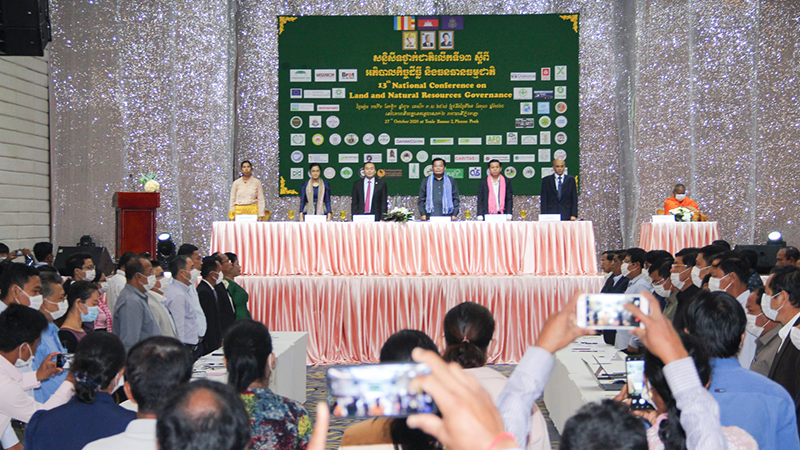
CDRI Deliveries Keynote at National Conference on Land and Natural Resources Governance
27 October 2020CDRI Senior Management was invited to deliver a key-note on the Land and Natural Resources Governance at the National Conference on Tuesday, October 27, 2020, at the Bassac II. It was attended by over 150 participants from the provinces, key ministries and departments, and repres...
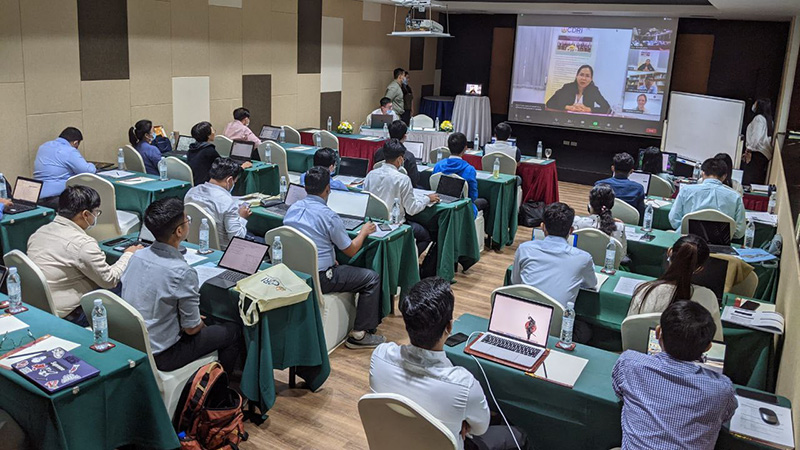
Training on Introduction to R for Quantitative Data Analysis
04 February 2021In collaboration with The Asia Foundation and under financial support from the Australian Department of Foreign Affairs and Trade (DFAT), the Centre for Educational Research and Innovation (CERI) has organizing a three-day intensive workshop on “Introduction to R for Quantitative...