
News
21 October 2026Middle-Income Cambodia – Trap or Opportunity: Unleashing Entrepreneurship and Productivity through Formalisation (Part I)
កម្ពុជាក្នុងឋានៈជាប្រទេសចំណូលមធ្យម – អន្ទាក់ ឬកាលានុវត្តភាព៖ ការបង្កើតសក្តានុពលសហគ្រិនភាព និងផលិតភាពតាមរយៈការចុះបញ្ជីក្នុងប្រព័ន្ធផ្លូវការ (ភាគ I)
សារគន្លឹះ
- អត្ថបទប្លុកនេះពិភាក្សាអំពីគំនិតដ៏មានឥទ្ធិពលមួយ ដែលផ្សារភ្ជាប់ទៅនឹងស្នាដៃរបស់លោក ហឺណាន់ដូ ដឺ សូតូ (Hernando de Soto) ដោយលើកឡើងថា ការមិនចុះបញ្ជីក្នុងប្រព័ន្ធផ្លូវការគឺជាឧបសគ្គដល់ការរីកចម្រើនរបស់សហគ្រាស។
- ក្នុងន័យនេះ ជាគោលនយោបាយ រដ្ឋាភិបាលត្រូវផ្ដល់ការគាំទ្រនិងជំរុញសហគ្រាសក្នុងការចុះបញ្ជីក្នុងប្រព័ន្ធផ្លូវការ ដើម្បីឱ្យសហគ្រាសទាំងនោះអាចទទួលបានឥណទានកាន់តែប្រសើរ មានអតិថិជនក្នុងប្រពន្ធផ្លូវការ ទទួលបានការការពារពីការពិន័យពាក់ព័ន្ធនឹងការអនុវត្តច្បាប់និងគោលនយោបាយ ព្រមទាំងបង្កើនលទ្ធភាពជ្រើសរើសបុគ្គលិកក្នុងប្រព័ន្ធដែលមានការអប់រំ និងផលិតភាពការងារខ្ពស់។
- តាមទស្សនៈរបស់លោក ដឺ សូតូ ការចុះបញ្ជីក្នុងប្រព័ន្ធផ្លូវការនឹង «បង្កើតសក្តានុពលសហគ្រិនភាព» ព្រមទាំងជួយជំរុញប្រទេសកម្ពុជាឱ្យឈានទៅរកកំណើនសេដ្ឋកិច្ចដែលជំរុញដោយផលិតភាព។
- អត្ថបទប្លុកនេះអះអាងថា ការចុះបញ្ជីក្នុងប្រព័ន្ធផ្លូវការនឹងផ្តល់អត្ថប្រយោជន៍ដល់សហគ្រាសក្រៅប្រព័ន្ធដែលមានសក្ដានុពលស្រាប់ ប៉ុន្តែការចុះបញ្ជីក្នុងប្រព័ន្ធតែម្យ៉ាងមិនអាចបង្កើតសក្ដានុពលនៃសហគ្រិនភាពនោះទេ។
- អត្ថបទប្លុកនេះផ្តល់នូវអនុសាសន៍គោលនយោបាយមួយចំនួន ដើម្បីកាត់បន្ថយចំណាយរបស់សហគ្រាសក្នុងការចុះបញ្ជីក្នុងប្រព័ន្ធផ្លូវការ។
- ការពិភាក្សានេះនឹងត្រូវបន្តនៅក្នុងអត្ថបទប្លុកពីរទៀត នៃស៊េរីប្លុកដែលមានបីភាគស្តីពីការចូលក្នុងប្រព័ន្ធនៅកម្ពុជា។
- This blog discusses a very influential idea—associated with the work of Hernando de Soto—that informality represents a constraint on firm-level growth.
- The policy implications are that governments should strive to help firms formalise to enable them to better access credit, formal sector customers, protection from government and policy sanctions, and to employ better educated and more productive formal sector workers.
- In the De Soto view, formalisation will ‘unleash entrepreneurship’ and help drive Cambodia towards productivity-led economic growth.
- This blog argues that formalisation will benefit already dynamic informal firms but that formalisation itself will not create entrepreneurial dynamism.
- This blog offers some policy recommendations to alleviate the costs on firms of formalising.
- This discussion will be continued across two further blogs in this three-part series on formalisation in Cambodia.
Introduction
It is difficult to locate
and measure
the size of the informal economy, much of it constitutes subsistence
agricultural production consumed in the household, or is conducted by mobile
and itinerant self-employed people collecting waste for recycling, selling
snacks, or cleaning houses. Such firms or workers may not pay taxes, have a
bank account, or have a dedicated business premises. Across 185 countries, in 2014 the
informal sector
accounted for 30—40 percent
of total economic activity and an even higher share of employment in the
poorest quartile of countries. Using the 2022 Economic Census, the UNDP concluded that 88.3 percent
workers in Cambodia and 87.6 percent of establishments were informal. CDRI
research by An and Chhorn noted that only
about 3 percent of microenterprises were formally registered with the Ministry
of Commerce, compared with 75 percent of large firms.
This blog discusses a very influential idea—associated with
the work of Hernando de Soto—that informality
represents a constraint on firm-level growth. The policy implications are that
governments should strive to support firms escaping informality to help ‘unleash
entrepreneurship’ through reduced risk and better access to credit. This blog argues
that studies showing that formalisation will have a significant positive impact
are flawed and that the economic benefits will be much more limited.
Formalisation will benefit already dynamic informal firms, but that
formalisation itself will not create entrepreneurial dynamism. The blog also
offers some relevant policy conclusions. This discussion will be continued
across two further blogs in this three-part series on formalisation in
Cambodia.
The
Regulatory Burden to Formalising
Cambodia has a
problem, not with start-ups but with formalisation. CDRI research, using data from
the 2022 Economic Census, shows that the total number of firms in Cambodia
increased from 505,134 in 2011 to 753,670 in 2022. The data show that the vast
majority of firms start in the informal sector and stay there. The World Bank Entrepreneurship
Database
shows that (Table 1) only 5,138 formally registered firms entered in Cambodia
in 2024, which includes informal firms becoming formal and newly established
formal firms. This is compared to nearly 90,000 in Thailand and around 140,000
in Vietnam (or around 840,000 in the developed UK). As a ratio of the working
population, this number was much lower in Cambodia (0.45) than in these
comparable countries.
Table 1: Business Entry 2024
Country | Total Number of Newly Registered Corporations in 2024 | Number of Newly Registered Corporations in 2024 per 1,000 working-age (15–64) population |
Cambodia | 5,138 | 0.45 |
UK | 841,138 | 19.19 |
Malaysia | 59,611 | 2.28 |
Laos | 7,941 | 1.57 |
Thailand | 87,596 | 1.75 |
Vietnam | 136,757 | 2.00 |
Source: World Bank
Entrepreneurship Database 2024
In Cambodia, the Ministry of
Commerce
(MOC) requires that firms register unless they have an annual turnover of less
than USD62,500. Various other forms of registration, licensing and permissions
are granted by other ministries, including the Ministries of Labour and
Vocational Training (MLVT); Culture, Education, Industry, Mines and Energy,
Health, Agriculture, and Land Management. All firms liable for taxation are
also required to register with the General Department of Taxation (GDT). Micro-enterprises are not required to register with the MoC, pay commercial income
tax (CIT) or charge and collect VAT from customers. Micro-enterprises are
required to register with the MLVT and the National Social Security Fund (NSSF)
and also abide by various legal requirements; in both cases, compliance rates
are not high.
According to the 2020 World Bank
Doing Business Survey,
starting a business in Cambodia required nine steps, took 99 days and cost 53.4
percent of income per capita, meaning that Cambodia ranked 187th out of 190 countries in the ease of doing
business. UNDP evidence shows that 84
percent of MSMEs that were not registered with the NSSF cited the complicated
and time-consuming registration process and 34 percent the cost of compliance
as a reason for remaining informal.
Why Formalisation Can Unleash Entrepreneurship
Famously,
Hernando
De Soto (2000) sees informal firms as an untapped reservoir
of entrepreneurial energy, held back by government regulations. Informal firms,
he argued, cannot attract investors by selling shares, nor secure low-interest
formal sector credit to invest in new machinery because they do not have a
legal address; they cannot reduce risk by declaring limited liability or by obtaining
insurance coverage. Informal firms live in constant fear of extortion from
corrupt officials. De
Soto and his research team opened a small garment factory workshop on the
outskirts of Lima, Peru, with a goal of creating a new/ legal business. Spending six hours a day on the
process, they only managed to register a formal business 289 days later. The workshop was geared to employ one
person, and the registration process cost USD1,231, or thirty-one times the
monthly minimum wage.
The World Bank was spurred on
by this work of Do Soto and attempted to measure the burden of regulations and
other factors in the Doing Business (later B-Ready) indices.
In their December 2024 Economic Update, the World Bank argued in
favour of continuing to reduce the regulatory burden of firm registration in
Cambodia, increasing the number of business registration centres in small towns
and rural areas, and fully digitising the business registration process.
The Actual Impact
of Removing Barriers to Formalisation
This section
reviews some of the many studies of business formalisation and shows that they
find positive and sometimes large impacts
on business indicators related to production, profits, employment, and
productivity. These studies are subject to a significant methodological problem,
which means that there is little reason to think that formalisation will
unleash widespread entrepreneurship in Cambodia.
Production: A 2023 study of 8,350 informal
firms across two economic surveys in Cambodia (2011 and 2014) found that the
216 firms that transitioned to formal status across these years increased their
sales by 161 percent and their value added by 151 percent. At first sight, these findings appear to
contradict the argument that formalisation has only limited economic benefits.
However, the percentage increase in sales and value added only describes the
difference observed among firms that had transitioned to formal status. They do
not necessarily represent the causal effect of formalisation itself. Formalised
firms may already differ compared to informal ones in terms of entrepreneurial
dynamism or managerial abilities. The main point is not whether formalised
firms perform better, but how much of this improvement can be attributed to
formalisation itself.
This positive
finding for Cambodia is broadly consistent with research elsewhere. In Brazil, firms that
formalised between 1997 and 2003 saw 5 percent higher revenue and 45 percent
higher profits. In Vietnam, a survey showed that firms
that became formal between 2007 and 2009 saw a 16 percent increase in profits
compared to firms that remained informal; another survey in Vietnam showed that
formalisation was associated with a 40 percent increase in the scale of
production, and a panel dataset constructed from
five small and medium enterprises (SME) surveys in Vietnam, conducted between
2005 and 2011, shows that formalisation increased profit and value added
respectively by 11.0 percent and 8.9 percent.
Labour and
Employment:
A 2023 study of
Cambodia
using data from 2011 to 2014 found that formalisation increases both total wage
payments and the number of regularly employed workers (by 8.3 workers per firm),
but doesn’t increase employment of family workers. In Brazil, formalisation led
to an extra 0.5 employees per firm, while in Vietnam there was no
increase in the number of employees but a shift from casual to formal and
contracted labour in one study and an increase in another study of one-third of a
worker per firm.
Productivity: The Economic
Census 2022 data allowed An and Chhorn
(2025)
to show that controlling for other factors, labour productivity was 12.5
percent higher in firms registered with the MOC than non-registered firms. Another 2023 study shows that formalisation
in Cambodia had no impact on labour productivity.
Methodology: There is a significant problem with interpreting these results. Firms that choose to formalise are very different from those that remain informal. Studies of Vietnam or Benin that control for owner characteristics (ability, background, motivation) show that formalisation has little effect on profits. In Vietnam, becoming formal does not alter the dynamics of the business. Firms that have better managers, more productive workers, better business ideas, and more profitable market niches formalise more frequently. It is entrepreneurial dynamism that causes firms to formalise—formalisation has little independent influence on firm success. This idea will be discussed further in the third blog in this series on formalisation in Cambodia.
Policy Recommendations
While this blog
has noted that formalisation is unlikely to ‘unleash entrepreneurial dynamism’
in Cambodia, it has also noted that well-managed dynamic firms do seek to gain
the benefits of formalisation. The path to formalisation should be improved to
make this transition easier.
Make Online Registration Work for Micro-enterprises
SME and large
enterprises in Cambodia can register online with the MOC, GDT and MVTL via the
CamDX portal. As of 2019, the World Bank were optimistic that the launch of the
CamDX web portal in 2020 could help boost formalisation.
A CDRI survey of 361 firms in
2023 found that while 90 percent of firms sampled had obtained a tax
certificate, only 6.7 percent of firms used the online portal to apply for tax
certificate. This concern with implementation is echoed by wider evidence. We
can turn to the World Bank 2025 B-Ready Index, which “assesses
the regulatory framework and public services directed at firms, and the
efficiency with which regulatory framework and public services are combined in
practice.” Table 2 shows a mixed set of results for Cambodia in relation to
business entry. Cambodia scores
highly in relation to regulations for business entry, poorly in relation to
digital public services and information transparency, and very badly in
relation to operational efficiency of business entry.
Table 2: World
Bank
Business Entry Indicator | Max Score | Malaysia | United States | Vietnam | Cambodia |
Quality of Regulations for Business Entry | 100 | 79.76 | 90.95 | 68.61 | 76.98 |
Digital Public Services and Transparency of Information for Business Entry | 100 | 84.5 | 58.06 | 73.33 | 51.17 |
Operational Efficiency of Business Entry | 100 | 93.02 | 76.34 | 87.92 | 38.73 |
Source: World Bank
B-Ready 2025
Cambodia already
offers firms multiple channels to register, including through the online CamDX
portal and in-person at a one window service (OWS). The formal cost of
registering through the online portal is less than USD140. In reality, registration was a more complex and time-consuming process, often involving extended administrative procedures, delays, and requests for facilitating payments to advance an application. A 2023 study
estimated
the cost of registration in reality was at least USD400, and the estimated time
to complete the registration was at least one month. To reduce the application
time and administration costs, firms often sought out the help of specialist middlemen
to facilitate the registration process. These delays and costs can be seen in
Table 2—the much lower score for Cambodia (38.73) in relation to the
operational efficiency of business entry.
The CamDX portal allows
enterprises to register as a small/medium/large taxpayer, to declare their
formation to the MVTL and to complete all these processes through a single,
digital portal. The portal does not work for a micro-enterprise that does not
need all of these registrations. The CamDx portal should be modified to allow
micro-enterprises to register online, for example by allowing owners to submit
a national ID card in lieu of registrations and permits that are not required
by micro-enterprises.
Informal micro and
small enterprises face a very low regulatory and tax burden in Cambodia. Such
firms are not required to pay the CIT or collect VAT from customers, and though
they are required to submit tax returns to the GDT and pay salary tax on their
employees, these requirements
are not enforced.
Becoming formal imposes new burdens, including registering with the MOC and
GDT, paying CIT, keeping formal financial records and administering VAT, and
filing monthly and annual tax returns. Cambodia can ease this progression by
implementing a “monotax” regime for micro- enterprises. The UNDP have suggested
that any micro enterprise with earnings or sales below a minimum threshold,
operating in sectors like retail and food services (not law firms of doctors
offices), with four or less employees could be required to make a single annual
payment in lieu of all major taxes and license/ permit fees through the online
portal (e.g. to the GDT or NSSF).
Conclusion
This blog
discusses a very influential idea—associated with the work of Hernando de
Soto—that informality represents a constraint on firm-level growth. The
benefits of formality, according to this view, are that firms can better access
credit, formal sector customers, protection from government and policy
sanctions, and employ better educated and more productive formal sector
workers. Together, these benefits mean that formalisation will ‘unleash
entrepreneurship’. Contrary to this view, the evidence for Cambodia and
developing countries more widely shows that formalisation will have positive
but only limited economic benefits. This blog also shows that dynamic micro and
small firms will seek to become formal and suggests policy reforms to ease this
transition.
Look out for Middle-Income Cambodia – Trap or Opportunity: Using Carrots and Sticks to Promote Formalisation (Part II)
Authors
Prof. Dr Matthew McCartney, Chief Economist,
CDRI
Mr Temugin Cattaneo, Researcher, Centre for Development Economics and Trade, CDRI
Related News

CDRI Board of Directors Meeting
04 November 2020The Board of Directors (BoD) of the Cambodia Development Resource Institute (CDRI) met at a virtual meeting on 3rd November 2020. All 10 existing BoD members attended and actively engaged in the deliberation and comments. For further information about CDRI BoD, please visit CDRI...
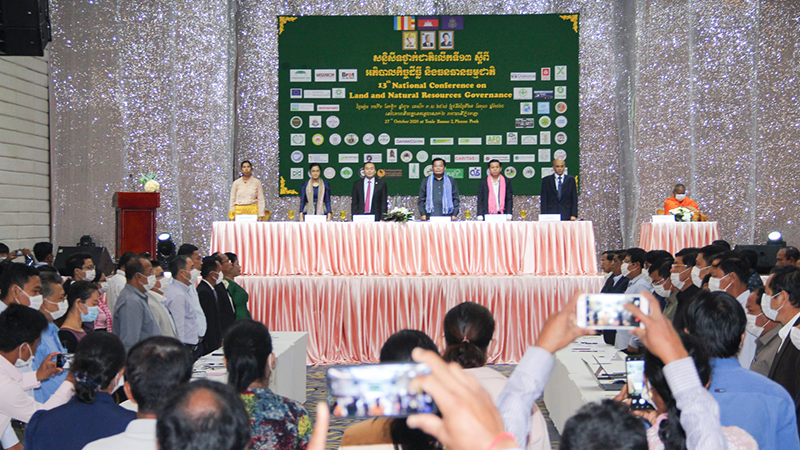
CDRI Deliveries Keynote at National Conference on Land and Natural Resources Governance
27 October 2020CDRI Senior Management was invited to deliver a key-note on the Land and Natural Resources Governance at the National Conference on Tuesday, October 27, 2020, at the Bassac II. It was attended by over 150 participants from the provinces, key ministries and departments, and repres...
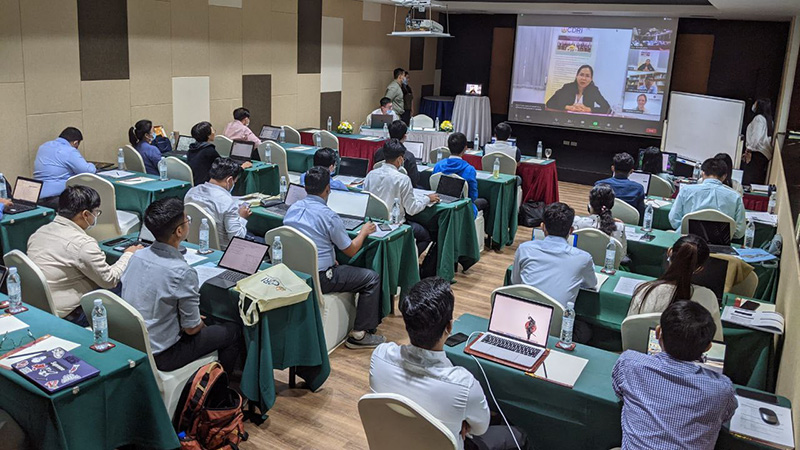
Training on Introduction to R for Quantitative Data Analysis
04 February 2021In collaboration with The Asia Foundation and under financial support from the Australian Department of Foreign Affairs and Trade (DFAT), the Centre for Educational Research and Innovation (CERI) has organizing a three-day intensive workshop on “Introduction to R for Quantitative...